How Not to Freeze in Finland!

Temperatures in Northern Finland above the Arctic Circle can range anywhere from 0 to 28 degrees Fahrenheit during December through March. Prolonged periods of darkness where the sun does not rise is also a factor to consider when packing for this cold region.”

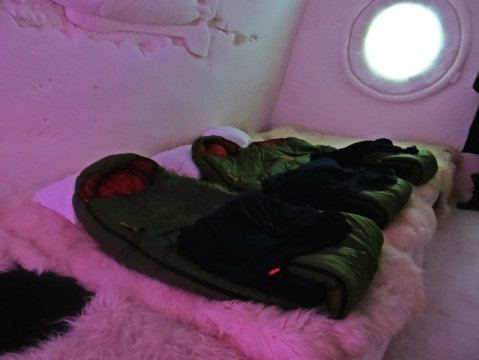
Ice Hotel

LummiLinna Snow Hotel; Finland

But don’t let cold weather deter you from taking a trip to Finland or any Nordic country for that matter during the winter months! There are so many adventurous activities such as dogsledding, snowmobiling, seeing the Northern Lights, skiing and visiting an Ice Hotel that one can only engage in during the winter months but Temperatures can vary depending on what city you plan to visit and during what month.  According to the World Atlas, temperatures in Northern Finland above the Arctic Circle can range anywhere from 0 to 28 degrees Fahrenheit during December through March. Prolonged periods of darkness where the sun does not rise is also a factor to consider when packing in this cold region. In slight contrast Southern Finland near Helsinki averages 10 to 27 degrees during the same period. But don’t worry with careful packing and planning the cold conditions of the north need not be a concern.

What Types of Base Layers to Purchase for Winter

IMG_8075

C’Mon Let’s go!

A good base layer is absolutely an essential staple to pack for your trip. First thing you need to know is that base layers are rated by numbers and/or weight. Item labeled lightweight or micro weight refers to lighter tops and bottoms that are good for strenuous sports like skiing, trail running or snowboarding. These items are designed to wick away moisture from your body and are breathable.  Some products use different rating systems, for example Patagonia rates their lightweight products with a level 1 or 2 and Wool products from Smart Wool or Icebreaker label them with a number like 150. Midweight base layers should be worn for moderately cold to cold conditions and can be used when you engaged in lighter sports or when you will get heated easy. Midweight can also be identified as level 3 or 200 in wool.  For extremely cold conditions as in Finland especially north of the arctic circle or if you will be outside for prolonged period of time a heavy weight item is recommended, which are indicated by level 4 or 250-260 in wool products.

The suggested base layers for cold weather are usually made from Merino wool or synthetic materials like polyester or microfiber.  My favorites are expedition weight Patagonia Capilene, which is made from polyester and is usually a little cheaper and just as efficient as wool. I think the highest quality tops and bottoms are available from Icebreaker. Their Merino wool is the highest quality and the wool is sourced from sheep in the New Zealand’s Southern Alps. Their products are breathable and do not smell even after wearing for many days. One fun feature of Icebreaker products is that you can trace where the wool comes from by entering the baa code on the tag inside the product. Icebreaker is also committed to environmental ethics and treating animals fairly.

Another factor to keep in mind is if the conditions will be windy and frigid you might want top with a higher neck line to keep the wind out, and also with a zipper to help regulate your body temperature if you are getting too hot.  Also look for a tight fit and sleeves with the thumb holes in it-which not only looks cool but also keep your hands warm.

What Types of Outwear to Purchase for Finland

finland

Snow Castle; Kemi Finland

A jacket or parka is the most important piece to consider if you will be spending any amount of time outside.  On the trip I booked to Finland we have 4 days in Kemi Finland where the temperatures range from 0 to 10 degrees. First thing to look at what types of activities you will be participating in. Being outside for long periods of time for walking, sightseeing or passive sports like dogsledding you should probably go with a parka or a medium length jacket. I really like The North Face Arctic Parka or the Brooklyn Jacket both are water resistant and insulated with 550 down.  Both have faux-fur hoods and inner hand cuffs to help guard against the cold arctic winds.  For the trip to Kemi I chose the Brooklyn Jacket because it is super warm and I do not need to layer many sweater and jackets underneath it.  This coat was amazing and stood up to freezing arctic winds during my entire trip.

If you are going to be skiing or snowboarding or highly active you might want to go with something a little shorter and lighter such as the North Face Kira Triclimate Jacket which is also waterproof and offer wind resistance and insulation. You should not overheat while exerting yourself in this jacket. There are some many great jackets to choose from though. I also liked the Marmot Gramercy jacket which is 650 down which has a detachable fur hood, it is surprising warm, light and easily packable.

The best thing to do is go try on a lot of jackets to see what is the best fit and style for your needs. Ski shops, REI and Moosejaw are good places to go because the employees can offer expert advice tailored to your needs.  Moosejaw, REI and The North face offer lifetime warranties on most of their products too. A couple guidelines to follow; look for wind and water resistance, high level of insulation, and brands that are specifically designed for performance wear as opposed to just fashion.

Cold Weather Boots

IMG_7923

Sampo Ice Breaker Cruise: Finland

Keeping your feet dry and warm is crucial to staying warm in winter especially with wet and snowy conditions.  Warm furry boots like classic Uggs or Bear Paw are perfect for cold conditions as long as there is no snow or rain. If you will be outside walking around in wet or snowy conditions look into waterproof winter boots that have a weather rating such as Sorel Joan of Artic boot that is rated for -25 degrees F and is fully water proof with a removable inner boot. This boot is both a fashionable and practical choice. For my trip to Finland I packed a warm pair of cute wedge Bear Paw boots for going out at night and a pair of practical Sorel Tofino boot for daytime and outwear use.  Ugg does make a number of waterproof winter boots as well as Columbia, The North Face and BearPaw.

Don’t Forget the Accessories

Aside from all the major items needed for your trip to Finland or any cold weather destination it is essential to pack items like gloves, hats, scarves and socks designed for extreme cold weather. Look for wool scarves and hats from Columbia or The North Face that are heavy enough to provide warmth and coverage.  Look for the hats that also have an inner lining like a micro-fleece ear band for added warmth.  Scarves do not need to be big and bulky-check out the Icebreaker Neck Chute that you can pull up or down to provide ultimate warmth. No matter what type of boot you go with you should purchase merino wool socks to wear under them. Go with a heavyweight or midweight sock to keep your feet toasty and warm. The wool wicks away moisture whereas cotton is the worst choice because it gets soggy and wet and is impossible to dry off while wearing. I like the long wool socks that you can pull up over your pants.  Lastly but still very important is gloves. I like wind and waterproof mittens that have an inner glove liner such as Swany Toaster Arctic Mittens or the Burton Gore-Tex Mittens both are rated for extreme cold temperatures.  Fleece mittens and gloves will not provide enough wind and waterproofing to be effective in such cold temperatures.

Make sure to purchase clothes and items that you will wear again once your trip is over. There is nothing worse than spending hundreds of dollars on winter gear that you won’t wear again.

Being prepared for cold weather will make your trip to Finland much more enjoyable. With careful planning and packing you won’t even notice that it is winter.

Copyright Christine Zenino

A Village at the End of the World

   “Sheltered by a horseshoe of snow-capped mountains and ice-cut fjords the tiny village of Tasiilaq defines isolation. In previous years, travel routes to this remote region have been limited, making Tasiilaq feel cut off from the rest of the world. But with more flights and travel packages added yearly this area is now more accessible than ever”
Greenland
Most tourists don’t immediately think of Greenland as their next travel destination but Greenland promises the adventure of a lifetime. Tasiilaq Greenland is an icy wonderland inhabited by teams of sled dogs, colossal glaciers, and home to the world’s second largest ice sheet. Despite its remote location, Tasiilaq is considered one of the most scenic and populated towns in Greenland. Just 62 miles south of the Arctic Circle, this traditional hunting and fishing village is characterized by it’s brightly colored Monopoly-style houses.

Tasiilaq Hotels and Attractions

Visitors will enjoy a stay at Hotel Angmassalik, one of the three hotel options in town. This arctic style inn sits on a craggy rock at the highest point of the village. Both the rooms and the restaurant boast a stunning panoramic view of the town and marina. The restaurant specializes in traditional Greenlandic fare, making this a popular dining destination for both tourists and locals. The hotel provides shuttle service, tour arrangements, full service bar and satellite.

Hotel Greenland

Best View in Tasiilaq; Hotel Angmassalik

Tour the Ammassalik museum to see how villagers lived in the not so distant past. Located in the town’s historic church, the museum houses a variety of authentic hunting and fishing relics. Learn about the traditional Inuit way of life and view a replica of a real turf house.

Visit the Stunk workshop where Inuit artisans demonstrate and sell their craft. The workshop is the best place to find handcrafted Tupilaks; Traditional carved statues made from antler or bone. Bargaining over prices is frowned upon as expert skill is required to produce these intricately carved masks and statues. Souvenirs made of antler or bone are fine to bring home, but most countries will not allow items made of fur or sea mammals to be taken through customs.

Dog Sledding Tours and Excursions

Dog sledding is the preferred mode of transport in Greenland during the colder months. It not unusual to see large white wooden sleds scattered randomly throughout town. The husky dog population actually outnumbers that of people in some areas of Greenland. Although cute and furry, the Greenlandic Huskies are tough working dogs. Their heavy coat and enduring temperament helps them survive life outside during the harsh winter months when there are up to 24 hours of darkness and the temperatures plummet.

sledgreenland

Dog Sledding Greenland

A number of dog sledding tours and excursions draw visitors outside the confines of the village. One exciting mushing adventure is a day trip is to visit Ikateq; an outlying settlement West of Tasiilaq. Another option is to become certified as a licensed dog musher. During a two day instructional tour, students will learn the basics of dog sledding and get certified to drive their very own team of six to eight huskies. Tours arrangements can be made through Destination East Greenland.

Remote Wilderness Hiking

Nature lovers can set out on a variety of remote wilderness hikes. Experience the pure solitude and stillness that characterizes Greenland on a hike to the Valley of the Flowers. This single track trail is easily accessible from the far end of the village past the town’s cemetery. Following a pristine river, the trail meanders through a number of small hills and valleys. Tiny pink and purple arctic flowers dot the landscape. At the trails end, hikers are rewarded with a sweeping panoramic view of the surrounding snow-capped mountains shrouded in an icy curtain of fog.  Visiting the viilage during the summer solstice when the sun remains bright nearly around the clock will allow more time for a hike in the midnight sun.

One concern in arctic climates is the possibility of encountering a polar bear. Although Tasiilaq is inhabited by a large polar bear population, chances are unlikely that you will see one. During the summer months the bears tend to follow the drifting ice and coastlines. Hikers are more likely to see the white arctic foxes that frequently roam the countryside foraging for food.

Hike

Valley of the Flowers Hike; Midnight

Greenland’s Melting Ice Sheet and Global Warming

Greenland’s melting ice sheet has been making global warming news as measurements show it’s melting rapidly. Greenland has the second largest ice cap in the world, covering about 80% of its land mass, making it particularly vulnerable to the effects of global warming. Studies report losses up to 47 cubic miles of ice per year, with significant losses in the southeastern region. Putting the tiny village of Angmassalik in the center of thye global warming controversy.

Greenland

Helicopter Ride Back to Kulusuk

The highlight of any trip to Greenland is a cruise or helicopter ride to view the magnificent glaciers or the ice cap.

One option is to take an iceberg cruise, which weaves through a surreal maze of massive floating icebergs, while a Minke or Humpback whale sometimes surfaces and spouts. Another option is a full day cruise to view the ice filled Sermilik fjord with a stop over at Ikateq village. Most tours provide the shelter of a heated cabin and the comfort of a hot chocolate, as the arctic winds out on the open waters can get a bit rough.

Greenland Travel and Flight Arrangements

A good time to visit is during the warmer months of March through September. The highlight of the summer solstice is in mid-June with almost around the clock sunshine and moderate temperatures up to 60 F. Keep in mind, routes to this village are limited, one must fly via helicopter from Kulusuk airport, for this reason purchasing a tour package is highly recommended.

The easiest option is to use a travel agent; Nordic visitor offers the most affordable and organized travel packages to Tasillaq from; listed as Ammassalik. A tour package from Reykjavik includes all flights, helicopter transport and accommodations at Hotel Angmassalik. Air Iceland offers stand alone daily flights from Reykjavik airport to Kulusuk during the summer months. From there arrangements must be made through Air Greenland for the helicopter ride to the village. There are not many other options as roads do not connect the town to other cities and a ship would take too long.

Tasiilaq is an unspoiled artic refuge filled with colossal icebergs, towering ice-cut fjords, and the unique culture of the Inuit. A trip to this remote village is an unforgettable adventure of a lifetime.

Copyright Christine Zenino

Why Visit Iceland? My Top Five Reasons

I had just booked my second trip to Iceland and I excitedly told my friends and co-workers that I was going back; their first impression was all the same. Yay! Cool…that is so amazing! followed by a common second reaction: Wait! Iceland? Why Iceland? Isn’t it cold there?

Which way Akureyri

Which way Akureyri?


I can answer this common question for all of you out there wondering the same. Iceland is awesome! Its natural beauty is incomparable to any other place I have ever been. Iceland is a land of extremes, marked by bubbling natural springs, enormous glaciers, active volcanoes, and dramatic rushing waterfalls.  If that is not enough Reykjavik, the capital city is a sophisticated urban destination with trendy restaurants, welcoming pubs and plenty of shopping.

There are so many reasons to visit Iceland but I will try to break it down into five major reasons: affordability, adventure tours, the summer solstice and Midnight sun, Icelandic cuisine, and geothermal spas.

Reason #1: Iceland is Affordable

Currently prices for travel packages to Iceland from the United States are at an all-time low.  Icelandair offers a variety of packages that include both airfare and hotels. For example currently Icelandair is offering a “Volcano Tour and Glacier Walk” package that includes RT airfare from a variety of US cities from $845 per person; with add on nights at an extremely low rate of 55.00 per couple. The highlights of this tour are the off-road Super Jeep tour of Eyjafjallajokull Volcano area and also a Glacier ice hike tour on Solheimajokill Glacier. This is just one example of affordable tours, I recently booked a package that included a Northern Lights tour, 3 days in northern Iceland Akureyri, international and domestic airfare, 8 total days with hotel and breakfast for $1150.00  with tax and everything included. Of course these prices are subject to change. The trip was highly organized and the hotels were both four stars-the money we saved on the trip we used for shopping and more expensive tours we wanted to do.

Reason #2: Adventure Tours and Opportunities

ablog3

Geysir!

A staggering number of tours and activities are offered through tour companies in Iceland. One can go horseback riding in the morning and later the same day-Whale Watching. Most tours can easily be arranged through your hotel or through the tourist information center located in Reykjavik. One popular tour iconic to Iceland is the Golden Circle tour. This popular day or afternoon trip takes visitors usually by bus to Iceland’s main natural highlights: Geysirs, Godafoss waterfall and Thingvellir National Park.
The difference between the full day and the half day option is the length of time at the locations. I have been on both tours. The main difference I noticed was that on the half-day tour we only briefly stopped at Thingvellir National Park. We heard a short explanation of what the park was and looked out from the overlook at the park. During the full day tour we had ample time to walk around the park and get a close up view of the spring where the tectonic plates are actually visible. During the full day tour we also stopped at the geothermal facility and learned about how Iceland uses geothermal heat and power. One huge benefit to the half day tour was the stop at Kerid eruption crater I was excited because it was different that the other tour I had been on.

There are a number of adventure tour options available for those looking for more activity. Tours to volcanic hot spots are very popular. Many people around the world have heard of Eyjafjallajokull volcano when it made international news in 2010 when it spewed a massive cloud of ash into the air shutting down air traffic for weeks. A number of tours are offered to view the aftermath or to check out this sub-volcanic glacier. There is a wide range of tours and activities to choose from that range from high activity tours such as Kite-boarding, dogsledding, ice climbing and snowmobiling to those less strenuous like whale watching and puffin spotting.

Reason #3: The Summer Solstice and the Midnight Sun.

Iceland is a great place to experience the summer solstice and the phenomenon known as the Midnight Sun.   This occurs naturally on June 21st when the day is the longest of the year but in Iceland or other Nordic countries the sun is visible for up to 24 hours. The first time I visited Iceland was in June during the summer solstice and the days seemed endless with bars and pubs filled and people out having fun in the city streets till all hours of the night. We also stayed up all night losing track of time sightseeing and taking photos taking advantage of the long hours of sunlight. When it was time to sleep the guest house had heavy curtains to block out the sunlight making it easier to sleep.

ablog

Sun Voyager!


Reason #4: Interesting Icelandic Cuisine  

Are you a foodie or an adventurous eater? Icelandic cuisine offers a variety of food and drink choices most people have never heard of let alone tried. Hákarl or fermented Greenland sharkmeat is a traditional Icelandic delicacy. Because the Greenland shark is poisonous it needs to buried underground in sand and gravel for a period of 6–12 weeks to allow for the toxins to be expelled from the body before it can be consumed. Once the toxins are removed the shark meat is then cut into strips and dried. You can sample Hákarl at the Kolaportid flea market in Reykjavik city center. Traditionally the shark meat should be washed down with a shot of Brennivín or Black Death. Although Black Death is technically a liquor, I felt like a was drinking a shot of very strong vodka or grain alcohol.

Most restaurants offer an Icelandic feast which can be any combination of Icelandic specialties. One of my absolute favorite restaurants in the world is Tapas Barinn located in city center Reykjavik. They offer tapas with an Icelandic twist. Their version of the Icelandic gourmet feast starts with of course a shot of Brennivin, followed by Icelandic Sea Trout, Lobster tails baked in garlic, Pan-fried line catfish, Icelandic lamb, Minke Whale, and for dessert White chocolate “Skýr” mousse. Skyr is a delicious white creamy yogurt specific to Iceland.  Many locals do not support eating whale meat and I actually asked that they substitute this item for another one of their 70 dishes. They also serve great sangria. This is just one of a number of great restaurants in Reykjavik.

Reason #5 Geothermal Spas in Iceland

Reason number five is certainly not the least of the reasons for a visit to Iceland. The spas in Iceland are both natural and luxurious! Every visit to Iceland must include a trip to the Blue Lagoon. The Blue Lagoon is a luxury geothermal outdoor spa located near Keflavík International Airport. The minerals contained in the spa mainly sulphur and silica are said to have anti-aging and healing properties. Visitors can float around all day regardless of the season in the toasty 98-102 degree water and afterwards indulge in a number of spa services or have lunch at Lava restaurant located on the premises. There is also a Lagoon bar you can swim up to for cocktails and snacks.

Laugardalslaug is Reykjavik’s largest city pool. The pool and spa is a short bus ride from Reykjavik center in Laugardalur Valley. It is an enormous spa that has an indoor and outdoor pool, 7 outdoor hot pots, a salt water Jacuzzi, a steam bath, sun lamps, and an 86-meter-long water slide. I loved the outdoor “hot pots”; each one has a slightly different temperature. It was fun to move from pot to pot until you find the perfect temperature and then afterwards cool off in the large heated but cooler-temped pool.

ablog2These are only my five top reasons to visit Iceland there are actually so many more wonderful experiences in store for anyone traveling there. I highly recommend visiting as either a full vacation destination or as a stop-over en route to another European destination.

Copyright Christine Zenino

Ice Climbing 101…Reykjavik

Climbers should kick the front points protruding from their crampons into the ice, then swing their axe into the ice above head and pull themselves up the wall. The strength of the ice was amazing and even sticking the ice pick in slightly  securely affixed in the wall. “

Ice Climbing

Iceland is called the “Land of Fire and Ice” for a reason; volcanoes and glaciers define its landscape. About half of its surface is covered by lava fields and about 11% is covered by glaciers. Interestingly enough many of the glaciers are sitting on top of active volcanoes. The best way to get the full Icelandic experience is to head out to explore the rugged landscape.

This was my second trip to Iceland so I chose something a little more adventurous; glacier hiking and ice climbing. The tour is offered on Sólheimajökull, a glacier tongue connected to the south end of the much larger Mýrdalsjökull glacier. Mýrdalsjökull dominates southwestern Iceland as the country’s 4th largest glacier and it sits atop an active volcano called Katla. Sólheimajökull although connected, is much smaller at 9.5 miles long and 1.5 miles wide.   The trip out to the glacier usually takes about two hours from Reykjavik, although it took our group around three hours because our bus broke down-at no fault of our guide. While we were driving the battery exploded with a loud pop, stranding us at a small gas station waiting for a new van to arrive.  Our small group congregated around the coffee machine talking and sharing stories until the new van arrived.

 Glacier Hiking 101

A bit off schedule, we made it to the glacier and piled out of the van. The group consisted of 7 of us: my friend and I, from Chicago, a couple from Denver on their honeymoon, and three visitors from China.  Upon arrival we were each issued a climbing harness, an ice axe, and crampons. After a short walk from the van up to the glacier, we stopped to hear some basic training tips on equipment usage: how to put the crampons on, how to put on the climbing harness, what to do with the ice axes and what not to do with your axe. Apparently, as the guide demonstrated, you should not swing the axe over your head in an attacking or gouging motion. But it could be used as a helpful tool when walking on uneven glacial surfaces as additional support.

We all geared up fairly quickly and set off onto the glacier. The initial hike up onto the ice was very wet and slippery. To ensure a steady footing we were advised to walk heavy, this will allow the spikes on the bottom of the crampons to stick straight into the ice.  Another helpful technique to avoid slipping is to use the axe as a walking stick in areas where the surface is uneven.

 
iceland 574
After a steady incline up higher onto the glacier we stopped to look around and allow the group to catch up.   Over time the glacier has receded considerably, and just a few years ago the ice had stretched all the way out to where the parking lot now is.  Now that we were up higher on the glacier, the ground was not as wet and slippery. The glacial surface was marked with rugged ice and areas of sharp drop-offs and deep crevasses.
 
iceland 564
Continuing on at a slight, but steady incline the ice crunched loudly under our feet as we walked in a single file line in silence. After a while, our guide pointed out a large bluish ice hole. It was about six feet in diameter but we couldn’t tell how deep it was. To demonstrate the depth of the hole, the guide swung his axe into the ice breaking off a large chunk of ice. We all listened as it tumbled down the ice walls until it finally hit the bottom. He warned us of the danger of falling in and how hard a rescue would be. We all took a slight step back from the edge not wanting to find out how long that rescue would actually take. The glacier has another unique feature; deep crevasses or large cracks in the ice scar the landscape of the glacier dividing the ice into long sections. These cracks have deep vertical walls that looked impossible to get out of if you were unfortunate enough to fall in. Needless to say it is not recommended to get too close to the edge of the crevasse. Although slipping is unlikely if you walk as instructed wearing the crampons.
 

Introduction to Ice Climbing

After about an hour or so of hiking, the guide asked if we were still up for ice climbing. Although climbing a vertical wall of ice sounded scary, we all agreed we wanted to try it. We headed down a nearby slippery slope to large area enclosed by ice walls. We walked over to the far end of the enclosure and watched as the guide quickly climbed up one of the tall ice walls using just his 2 ice axes and his crampons. He secured the ropes at the very top with an ice screw before climbing back down. I didn’t think my ascent or descent would be as graceful as his.

The technique was easy enough to understand but a little harder to execute. Climbers should kick the front points protruding from their crampons into the ice, then swing their axe into the ice above head and pull themselves up the wall. The strength of the ice was amazing and even sticking the ice pick in slightly kept it securely affixed in the wall.   The only experienced climber in the group, a guy from Denver, was elected to go first. He quickly scaled the wall, making the climb seem effortless. When he got to the top, he was instructed to remove the axes from the ice, lean straight back pressing the bottom of his shoes flat into the ice and walk himself down. Of course he was secured to a harness and rope otherwise this technique would not work. 

Next a young woman from China volunteered to go. She had a really hard time getting her crampons to stick into the ice, she kept slipping and dangling by the rope or by the ice axe.  Somehow this made me feel secure because the guide never let her fall. We all watched as she dangled attached to the rope while the guide continually yelled out instructions to assist her: keep your legs straight-move to the left. Unfortunately part of her problem was that her shoes were too flexible. At one point, one shoe even fell completely off and was left dangling by the shoelaces tied around her ankle. One problem was that she had put plastic bags into her shoes-we all guessed to make them more waterproof. This insert, the guide pointed out was making her shoes extra slippery and he does not ever suggest to do such a thing while ice climbing. Advice that was fairly obvious to all at this point. To top it all off, her other shoe was slipping off as well. Yet she was just determined to pick-axe her way up that wall. Obviously proper footwear is an important part of this process and climbing only using the axe and the guide’s assistance—pulling her to the next level using the rope made her attempt painful to watch.  Finally, almost near the top the guide called for her to come down. We all applauded her fierce determination when she reached the bottom.

When my time came, I knew I wouldn’t match the guide’s skill, but I hoped I managed to at least keep my shoes on. I kicked my crampon straight into the ice wall, heaved the ice axe into the wall above, and pulled myself up. I was happy I rented the hard inflexible hiking shoes. The straight hard shoe acted like a step that I could use to climb the wall. I got the hang of it after a bit. Still, it was difficult to get my crampon spike into the wall and I relied heavily on the ice ax which was extremely secure and never once slipped out of the ice. I was exhilarated and energized when I got near the top. I made it! It was time to take the ice axes out of the wall and lean back and walk down.

This part was not easy as my crampons kept slipping and it was hard to keep my foot straight against the wall of ice. I lowered myself sloppily down to the bottom, just happy that I had made it to the top and back down without crumbling in fear. After everyone in the group took a turn, we packed up our gear and headed up out of the climbing area and back down the glacier. The total time on the ice was about 3 ½ hours. The tour is a good introduction to glacier hiking and ice climbing, and would be good for most activity levels.

The Infamous Eyjafjallajökull Glacier

During the two hour drive back to Reykjavik, we got a glimpse of the famous Eyjafjallajökull;  known around the world as the volcano that emitted a giant ash cloud in 2010, shutting down international air travel for weeks. Tours to go ice climbing and glacier hiking can be arranged through Eskimos; a tour company specializing in adventure tours.  Depending on the time of the year it can get cold out on the glacier. Make sure to wear warm clothing, a hat, gloves, and waterproof hiking shoes. Eskimos offers the option to rent gear for a minimal cost in case you don’t want to pack them for just the one day. Ask beforehand about waterproof pants, jacket and good hiking shoes.

The rugged beauty of Iceland is best discovered by getting out and experiencing it first-hand.  Ice climbing and glacier hiking is a fun way to get out and explore what Iceland has to offer. Not to mention, how many people can say they climbed a glacier or ice-picked up a vertical ice wall?

Wool, Wool, Wool and Other Fun Things to Buy in Iceland

Iceland can be credited with the difficult task of making wool appear trendy. Iceland offers shoppers an enormous selection of locally produced wool products such as sweaters, hats and scarves to choose from.”

5

Wait for Me!

Reykjavik Iceland offers a wide variety of locally produced unique items that cannot be found anywhere else in the world. Many trendy shops, boutiques and galleries sit in the shadow of Hallgrimskirkja on the main shopping streets of Laugavegur and Skolavordustigur. Find out what to buy and where to shop with this handy guide to Reykjavik shopping.

 Tax Free Shopping Iceland

Iceland is one of the few countries that offer a no-hassle tax-free shopping program. This tax break entitles tourists who purchase more than 4000 ISK worth of products in a store to receive a 15% refund on the items they bought. There is no red-tape when using this program, simply ask the store for the tax free form and the receipts. Then simply bring them to the Reykjavik Tourist Information center in the city center or to the airport when departing for the immediate refund. This money saving tax-deduction applies to souvenirs, clothing, and many other items.

Blue lagoon 
 
Blue Lagoon Skin Care Products

The Blue Lagoon is a luxury geothermal spa located near the airport. Visitors travel from all over the world to soak in the lagoon for it proposed healing and anti-aging properties. The  unique products sold by the spa, contain the active ingredients; silica, algae, and minerals, found in the lagoon’s seawater. Some of the spa’s most popular selling items are the Silica Mud Masks, the Mineral Intensive Cream, and the full line of anti-aging creams and serums.

For a true Icelandic experience visit the spa and try the new Volcano Scrub and Algae Mask, which contains lava from the surrounding lava fields and algae from the rich geothermal lagoon water. A trip to the surreal misty waters of the Blue Lagoon is a must for any visitor to Iceland, but if that is not possible, products can be purchased at one of the conveniently located shops in Reykjavik’s city center or at Keflavík Airport.

 Shopping for Icelandic Fashions

Clothing boutiques selling designs on the cutting edge of Icelandic fashion line the main strip of the city center. For a true taste of current Icelandic fashions stop in GuST; a trendy clothing boutique owned by fashion designer Guðrún Kristín Sveinbjörnsdóttir. This ultra-modern collection contains innovative and quirky outfits made from traditional Icelandic products like wool, as well as the hottest new Icelandic raw materials like fish leather.

Serious shoppers will enjoy an excursion to nearby Smáralind; one of Iceland’s leading malls. Located just outside Reykjavik, Smáralind boasts over 80 international and Icelandic stores such as Zara, Debenhams, Hugo Boss, and 66° North. One great benefit to shopping at the mall is visitors can get their tax rebate immediately by visiting the customer service desk. Smáralind is home to an enormous cinema and two popular shows have even been filmed there; Icelandic Idol and the Icelandic X-Factor.

Trolls!

Trolls!

Wool Products-Sweaters, Socks, Hats and Scarves

Iceland can be credited with the difficult task of making wool appear trendy. Iceland offers shoppers an enormous selection of locally produced wool products such as sweaters, hats and scarves to choose from. One popular tourist item is the lopapeysa or the traditional woolen sweater. Stop at the Handknitting Association of Iceland located at Skólavörðustígur 19, to purchase handmade items made from Icelandic sheep‘s wool. Knitting enthusiasts can purchase patterns, Álafoss Lopi yarn, and other materials to make their own lopapeysas.

What to Wear on a Glacier-Cintamani

Before heading out to go dog sledding or glacier hiking gear up at Cintamani; Iceland’s leading provider of high-quality but fashionable outdoor clothing. Offering a full line of woolen sweaters, fleece zip-ups, and jackets that are designed to withstand the most extreme weather conditions in Iceland. Try on an ultra warm sweater from the Technowool line, guaranteed to provide protection even in the wettest and windiest conditions up on the glaciers. After shopping consult with Cintamani’s on sight adventure expert about excursions available in and around Reykjavik.

Kolaportið Flea Market

Shark Meat Sample?

Kolaportid Flea Market

The Kolaportid flea market is a popular shopping destination for locals as well as tourists. Open only on the weekends, the market is housed in an industrial-style warehouse at Tryggvagötu 19 in the old harbor. Shoppers can browse through a wide variety of books, clothes, knick-knacks and other fun items.

For the adventurous diner, the flea market is a great place to sample Icelandic specialties such as Hákarl; chunks of fermented shark meat. The shark meat is prepared by burying it underground for up to six months to remove the toxins so that it is safe to eat. Locals suggest washing it down with a shot of Black Death or Brennivín; an alcoholic beverage similar to snapps, made from fermented potato pulp. Visitors can purchase Hákarl and other traditional foods such as dried fish, lamb pate, or horse meat sausages from the food section of the flea market.

In addition to the flea market, local supermarkets stock a fine selection of rich chocolates, delicious coffee, and traditional delicacies with much cheaper prices than the duty free shops at the airport.

Souvenir Shopping Iceland

A favorite pastime while on vacation is souvenir shopping. Iceland is no exception, high quality souvenir and specialty shops packed with stuffed puffin key chains and ubiquitous woolen socks line the main shopping district. But for a different souvenir shopping experience visit the Perlan’s gift shop. Famous for its massive blue dome that sits on top the six giant water tanks that hold the cities water supply, the Perlan’s outdoor viewing deck boasts the best panoramic views of Reykjavik. Another fun place for souvenirs is the Viking shop, this large store sells a wide range of traditional Icelandic clothes, Viking accessories, animal skins, books, and souvenirs. Visitors will also find some unique specialty shops located at the old harbor and around Vesturgata street.Viking Shop

Reykjavik is a unique shopping destination full of fun souvenir shops, art galleries, jewelry shops, and hip clothing stores. This charming city with its quaint shops and trendy boutiques will not disappoint even the most serious of shoppers who visit.

Don’t Freeze! How to Pack for a Winter Vacation in Iceland

“For most people, the thought of Iceland conjures up images of extreme snowy conditions and sub-zero temperatures, but actually the climate in Iceland is quite mild. Temperatures during the winter months range anywhere from 25 to 35 degrees, much warmer than that of Chicago or New York in the winter! Even so a lot of the activities and excursions in Iceland are outdoors-so packing correctly is critical to making your stay enjoyable.”

What is Winter Like in Iceland?

Reykjavik
A Christmastime holiday or winter vacation is the best time to experience what Iceland has to offer. Can you imagine how amazing it is to look up and see the Northern lights shining brightly in the night sky  or how much fun dogsledding with a team of huskies on a glacier can be?
So I suggest-brave the cold and head out to Iceland to explore some amazing adventures firsthand.

Winter Jackets and Outer Layers

Tour operators in Iceland offer a number of exciting outdoor activities such as glacier hiking, dogsledding, and whale watching or snowmobiling. Even for those not this adventurous you may spend a great deal of time outside visiting Iceland’s magnificent waterfalls, geysirs or just walking around shopping. Although the climate may be a little milder in Iceland, weather conditions may change rapidly; you may be exposed to rain, snow, sun and extreme cold all in one day. Because of this wearing wind and water resistance outer layers is the key to comfort. Look for a good winter jacket that is water and winter resistant but also has some insulation like fleece or down to provide warmth. Some coats have a weather rating that lists the range of temperatures you will be protected from. The weather rating is important-don’t assume one that provides a colder rating is necessarily better. You might actually get too hot! Keep in mind that a lot of the tours like snowmobiling or whale watching will provide a heavier outer layer for you to put on over your jacket. So if your jacket is too long or puffy it may not fit under your jumpsuit or you might get too hot. If you plan on going skiing or snowboarding you may need more of a ski type jacket which features a waterproof and windproof shell that you will need to add a base layer of insulation too.

Next it is important to purchase heavy mittens or gloves, hat and scarf designed specifically for cold weather. Wearing a stylish hat may look cute but you need to make sure these items are not just fashionable but actually designed for cold weather. Purchasing products made from wool is a safe choice for winter conditions.  Many Iceland shops sell high-quality woolen mittens, hats and scarves at reasonable rates so don’t worry if you have to buy additional ones on vacation. Tours typically will do not provide these types of items.

Winter Boots or Hiking Boots?

Depending on what types of activities you will be doing I would opt for a winter style hiking boot as opposed to a heavy duty snow boot. Most of the tours and activities in Iceland requires one to walk over rugged terrain and wet or rocky conditions. Recently on a visit to Iceland I went glacier hiking and ice climbing, for this tour snow boots or furry boots would not have been a good selection as we used crampons over the hiking boot to walk on the ice. If you do not want to purchase a pair of hiking shoes for just one day-ask the tour provider.   Most of the tour companies do rent equipment for either free or a very small price.

By far the most popular tour is the Golden Circle, which highlights three main attractions: the geysers Geysir and Strokkur, Þingvellir National Park and the massive waterfall known as Gulfoss. Although you will be traveling by bus you may be exposed to different conditions while walking around the parks. When I took this tour, the day started out sunny and mild but within a couple hours the temperature dropped and an unpleasant icy rain started, my furry boots, while good for walking around Reykjavik, got soaked as they were not water resistant. They also provided little traction on the gravel that most of the trails were made from. A good waterproof hiking boot would have been a better choice.

cold

Layers, Layers, Layers

One of the best items I purchased for trip was a warm long underwear base layer from Columbia. Look for a mid-weight base layer that will help you generate or keep in your own heat. It is also important if you are going to be active that the material wicks away moisture to avoid sweating-which is why cotton leggings would not work well.  Many other brands carry a similar base layer like North Face or Koppen. This additional layer underneath leggings or jeans kept me warm the entire trip. During my ten day stay in Iceland, I also visited the Northern capital of Akureyri, which is a little colder than Reykjavik by a few degrees. But there was a noticeable difference in temperature when we traveled further north to go whale watching in Husavik.  Onboard the ship, the crew provided us with warm heavy jump suits to put on over our clothes. Once we got out near the Arctic Circle the temperature plummeted and the wind increased sharply. I was happy I not only had on my windproof jumpsuit but also warm base layers to keep my core body temperature high.Akureyri

If you will be out for extended periods of time beyond a short tour you might want to purchase performance style pants with a wind and water resistant soft shell designed specifically for winter sports. These pants are lighter and less bulky than snow pants but will provide more protection than just hiking pants. The pants paired with a base layer should provide you with the comfort and warmth needed for longer activities like glacier hiking or other outdoor adventures.  Most pants carry a weather or wind rating as well, it is crucial that they are wind resistant. REI, North face and Columbia are good products to look into and their sales associates can help you pick the appropriate pants.

Wear a wool sweater! While in Iceland I bought my first wool sweater. I cannot describe how warm these wool products are. There are a number of shops selling high quality Icelandic wool products and I encourage you to wait to buy your wool sweater there.

Bathing Suit in Iceland?

Don’t forget your bathing suit. Yes seriously, Iceland is known for its hot geothermal spas such as the Blue Lagoon. The luxury outdoor geothermal spa is a destination you cannot miss and it is open year round. The pool is heated by underground geothermal springs the heat of the water rises so you will not be cold while floating around this pool for hours. Plus there are a number of public spas located in the city center and sometimes in the hotel.

Blue LagoonRemember to pack some nicer clothing as well. No matter what the weather conditions are in Iceland people tend to dress stylish when going to bars, restaurants and nightclubs. There a number of popular restaurants in the city center where dressing in hiking clothes would not be appropriate.

 Shopping in Iceland

You may also want to leave some room in your luggage to go shopping in Iceland. For all your winter or outdoor gear needs shop at Cintamani. There is a large shop located conveniently in Reykjavik’s city center. Cintimani sells functional and stylish outdoor wear designed specifically for Icelandic weather conditions.  I bought the stylish Jóna zip-up which can be worn alone or under a jacket-It is warm and looks cool. You can even purchase the items online to ensure you will have the highest quality gear designed for Icelandic conditions before you even get there!

Iceland is easily one of my favorite destinations. I would go anytime during the year. But if you need some coaxing check out the tempting travel packages offered by Icelandair. I suggest the affordable Experience the Arctic North package which includes round-trip airfare to Iceland and lodging in both Reykjavik and Akureyri. So do not let the weather deter you from visiting Iceland this winter. With some careful packing you will have a blast and stay warm!

Reykjavik Iceland’s Top Attractions

Reykjavik Iceland encompasses the best of both worlds; a sophisticated urban destination complete with luxury spas, world class dining and a lively club scene, tempered with outdoor adventures like glacier hiking, geothermal spas, and whale watching. A trip to Reykjavik would not be complete without a visit to one or all of these top attractions.

Reykjavik; Sun Voyager

The Blue Lagoon-Luxury Geothermal Spa

Start the vacation right with a trip to the world famous Blue Lagoon; a luxury outdoor geothermal spa located near the airport. Buses are conveniently stationed at the airport to transport passengers straight to the Blue Lagoon. The enormous locker rooms are equipped with large sized lockers, locks, blow dryers and towels for guests. Spa-goers can recharge after a long flight by floating around in the six million liters of warm geothermal seawater that fill the lagoon. Silica mud masks are provided in boxes around the lagoon to apply to ones face and skin. Visitors can spend an hour or a day and afterwards the bus will drop them off at their final destination.

 Super Jeep Glacier Volcano Tours

Iceland’s landscape is literally defined by volcanoes. This tiny island is a volcanic hot spot because of its position over the mid-Atlantic ridge; the spot where the Eurasian and North American plates are separating. Tours are available to visit Eyafjallajökull; the volcano that made global headlines when it recently erupted shutting down air traffic in Europe for weeks. Although it is not currently erupting, tours are available to view the aftermath. Most tours can be combined with a dog sled or snowmobile adventure on the neighboring sub-glacial volcano named Katla, located on Myrdalsjökull glacier. The usual mode of transportion in Iceland is super jeep 4 x 4, these monster trucks are needed to navigate the icy road conditions leading up to the glaciers.

The Golden Circle Tour; Thingvellir National Park

The Golden Circle tour consists of the three pinnacles of Icelandic tourism; Geysir, Gullfoss, and Thingvellir National park. The first stop on this eight hour tour is to view Geysir; a massive blow hole so big it’s rumored that all other geysers in the world have been named after it.

IMG_6927Although Geysir doesn’t spout regularly, nearby Strokkur faithfully erupts every few minutes shooting a giant stream of water 30 meters into the air. The next stop is the famous double- layered falls of Gullfoss. Visitors can walk along the scenic trail leading to the 32 meter high cascades. The tour ends with a trip to the beautiful Thingvellir National park. The historic location of Alpingi or the national parliament of the first settlers of Iceland is housed in the park, as well as the location of the only spot in the world that the rift between the continents is clearly visible.

Kolaportid Flea Market

The Kolaportid flea market is a popular shopping destination for locals as well as tourists. Open only on the weekends, the market is housed in an industrial-style warehouse at Tryggvagötu 19 in the Old Harbor. Shoppers can browse through a wide variety of books, clothes, knick-knacks and other fun items.

The flea market is a great place to sample traditional Icelandic delicacies such as Hákarl; chunks of fermented shark meat. The shark meat is prepared by burying it underground for up to six months to remove the toxins so that it is safe to eat. It’s traditionally washed down with a shot of Black Death or Brennivín; an alcoholic beverage similar to snapps, made from fermented potato pulp, and flavored with caraway seeds. Visitors can purchase Hákarl and other delicacies such as dried fish, lamb pate, or horse meat sausages from the food section of the flea market.

Party on the Weekends!

Taking advantage of the longer daylight hours during summer solstice, the party starts around midnight and lasts well into the morning. Most of the clubs and bars are located on the main strip in the city center and stay open late. Afterwards, follow the hoards of hungry partygoers for an Icelandic hotdog, customary after a long night of drinking.

The Perlan

The Perlan is a fun destination for a few hours or an entire afternoon. It’s reflective blue dome sits on top of six gigantic circular water tanks that hold the city’s water supply. Sitting on a hill high above the city, the Perlan’s viewing deck offers the best panoramic view of Reykjavik and the surrounding area.

The top floor is home to one of Reykjavik’s best restaurant; a revolving fine dining restaurant that boasts the best city vistas. The second floor houses a cafeteria style restaurant that serves great food, desserts and coffee. The Saga museum is located on the ground floor where Icelandic history is recreated daily for visitors. The Perlan is surrounded by beautiful gardens, walking trails, and an artificial geyser.

Puffin and Whale Watching Tours

The Puffin is an adorable little orange beaked bird that can be spotted off the coast of Reykjavik. For a close up view of the flocks, take a fun puffin watching tour through Elding; the leading provider of whale and puffin watching tours. Visitors may get lucky and even spot a whale! During the months of April to October, Orca whales, Minke whales, Humpback, porpoises and dolphins are typically seen in the surrounding waters of the harbor. For a longer excursion take a whale watching tour.Whales!

Whale and puffin watching tours both depart multiple times daily from Reykjavik harbor. Elding even supplies warm red and blue jumpsuits to keep their passengers warm as it tends to get cold and windy once out of the confines of the harbor.

A visit to anyone of these top attractions will give visitors a sense of the essential spirit of Iceland. This charming European city with its trendy shops, wild nightlife and fun adventure tours will stand out in any visitors mind as the trip of a lifetime.

Related articles

Get Ready for a Wild Ride…Dog Sled Style

I was enjoying the ride as the dogs now were trotting along consistently and the mushers were skijoring effortlessly beside us. I was surprised when all of the sudden the sled dogs took off and ran quickly out of control at full speed. Yann yelled “Whoa! Whoa!” repeatedly, but they didn’t stop. I was laughing hard but also was kind of scared that they would run off the side of the glacier!

Huskys!

Iceland is a land of unparalleled beauty with rushing waterfalls, active volcanoes and immense glaciers. An exciting way to tour Iceland’s glacial landscape is by taking an adventure dog sled trip. Depending on the time of the year, the tour may be offered on a number of different glaciers both located within a short distance from Reykjavik: Langjökull glacier or Mýrdallsjökull. Both of these glaciers are in close proximity to Eyjafjallajokul; the volcano that spewed a massive ash cloud over Europe in 2010 shutting down air traffic for weeks. Although these glaciers rest on an active volcanic mountain range called Katla, travel to and from the glaciers are relatively safe.

Glacier roads

Tour Arrangements for Dog Sledding in Iceland

Getting to the dogs is an adventure in itself. Only super truck 4×4’s can make it up to the glacier due to the extreme road conditions. For the dog sledding adventure I made arrangements through “Eskimos,” a reputable company that provides extreme adventure tours. At 10 a.m. sharp Halli, our tour guide, picked us up from the hotel in a super truck 4X4 equipped with a snorkel. Are we going underwater? I said jokingly. I had no idea what to expect as I had never been on a glacier or dogsledding, but I figured that underwater submersion wasn’t part of the deal.
 
waterfallAfter about an hour, we made a quick but exciting stop at Seljalandsfoss waterfall where we got out and followed a little path that led behind a 200 foot gushing cascade. The scenery is wonderful, but be prepared for an icy cold blast of spray from the waterfall once under the cascades. After the hike, we piled back in the truck and were quickly engrossed in one of Halli’s interesting stories. Fairly soon he announced we were getting close to the dog sled kennel. Suddenly, the truck turned onto the rocky deserted road that leads up to Mýrdallsjökull. As we ascended, the sky seemed to disappear and was replaced by thick dark clouds. We could barely see around the truck. Yet once we reached the top of the glacier the sun was shining brightly.

Dog Sledding Near Reykjavik

There at the top sat a little red house. Two young guys from Dogsledding Iceland, Yann and Markus, the dog mushers came out to greet us. We went inside and they issued us warm, puffy snowsuits. They warned we would need them as the temperature higher up on the glacier is significantly colder than ground level. Soon we all squeezed into another 4×4 for the final ride up the snowy road to the sled dogs’ kennel.

Einstein

Barking and howling greeted our crew as soon as the twelve excited huskies saw the 4×4. These tough but adorable dogs are purebred Greenlandic Huskies, Yann told us. They appear quite larger than their furry cousins the Siberian huskies. The dogs spend a majority of their lives outside and their thick heavy coat helps them to endure the harsh temperatures and prolonged darkness of the Icelandic winter. Despite their tough exteriors these dogs are friendly, affectionate and well cared for. The tours only last about two hours per day making this a fun run for the dogs as opposed to hard work.

Soon we climbed onto the long white wooden sled. We were warned we should sit as far back as possible to leave enough space in the front for them to stop the sled in case of emergency. Though I was not quite sure what that meant, I did as instructed. My dreams of an energetic start failed to materialize as the dogs were off to a slow start. The lead dogs would run a little then stop and look back at the mushers as if waiting for direction.

Markus ran up ahead to lead the dogs so they wouldn’t keep stopping and playing with each other. Yann and Markus skijored (skied) alongside the sled calling out commands to the dogs. “Hike!” they shouted to get them to run, “Haw!” they yelled to turn left and “Gee!” to turn right.

I was enjoying the ride as the dogs now were trotting along consistently and the mushers were skijoring effortlessly beside us. I was surprised when all of the sudden the sled dogs took off and ran quickly out of control at full speed. Yann yelled “Whoa! Whoa!” repeatedly, but they didn’t stop. I was laughing hard but also was kind of scared that they would run off the side of the glacier! Mush!

One thing the mushers do to slow the sled down is throw a round set of ropes over the front part of the sled. This braking technique was not working fast enough to slow these wild dogs down. The sled was teetering on the brink of tipping over. It was hard to hold on. Yann let go of the rope to avoid skiing wildly into the side of our sled. Worried that we were careening full speed down an icy track, Markus flung himself down on the front of the sled in an effort to slow it down. Finally with his added weight on the front of the sled, the dogs slowed down and stopped. I rolled off the sled laughing but was secretly relieved the ride was over. I’m sure this was just another routine day at work for Yann, Markus and the huskies, but for us it was an exciting adventure. Whoa!

Greenlandic Sled Dogs

The dogs were tired and plopped down to rest in the snow. It was fun to kneel down and pet each dog as Yann and Markus introduced me to every one of them. Each dog has an important position on the team, I learned. The dogs and the mushers really seemed to love what they are doing. One adorable black and white furry dog in particular; Einstein, was howling loudly and jumping around trying to get my attention. Einstein quickly stole the show when he started posing for me to take his picture. After the dogs rested a bit and got some needed attention they started to get restless again, howling and playing. It was time to get back on the sled and finish the ride.

The dogs sledded back to camp at a relaxing pace, until all too soon we were back at the little red house. I rolled off of the sled, bid Einstein and the other dogs a final farewell, and offered my thanks to Yann and Markus.

Adventure Tours in Iceland Near Reykjavik

Dogsledding Iceland is the kennel company that provides the dogsledding adventure. They are located about an hour south of Reykjavik near Vik. They offer year round dog sled tours and expeditions but do not provide transportation to and from the glacier. It is not advisable to rent a car or truck as many rental companies in Iceland have a disclaimer holding the renter responsible for water damage that may occur on the icy back roads. The entire tour including transportation and waterfall stops can be arranged though Reyjavik-based tour operators; Eskimos. Snow suits are provided but it is necessary to wear complete gear such as winter boots, hat, gloves and sweater. An adventure tour to one of the glaciers is an amazing way to check out Iceland’s natural beauty and the friendliness of these beautiful dogs certainly adds to this great experience.

Greenlandic Husky

Related articles

Planning Your First Trip to Europe?

Paris

Planning your honeymoon in Paris, backpacking it through Prague or touring the Italian countryside? Whatever your final destination may be, planning a trip to Europe can be exciting! But once the flight is booked and the hotel is confirmed most travelers are unsure of what they need to do next. Whatever your European destination may be,  here are some important details to take care of or consider before traveling abroad.

Currency, Credit Cards and Conversion Rates for Traveling Overseas

Taking care of financial details should be a main priority for travelers after booking the hotel and airfare. Most of Europe is on the Euro but other countries such as Hungary, Czech Republic or Iceland have their own currencies. Currency conversion rates vary depending on the country you are visiting and they fluctuate daily. It is a good idea to write down and keep a copy of the conversion rate and know how to figure it out even if you have to bring a calculator. All airports have a Foreign Exchange Desk but these do not always offer the best conversion rates. Before you change money ask them specifically how much you will get for the money you are converting, often there are hidden costs or extra fees.

A standard ATM often offers the best rate and they dispense the money in the currency of the country you are in. Keep in mind that foreign transactions and credit card transactions are subject to the exchange rate and a foreign transaction fee of usually 3% in addition to the ATM withdrawal fee. Despite the fees ATMs are still an affordable option to get foreign currency.

Some credit cards waive the foreign transaction fee which saves a lot of money, especially if you are paying for something costly such as the hotel or a tour in Euro. Look into Capital One, Chase, and American Express cards to see if these fees can be waived for card holders.

Call your bank or your credit company prior to the trip and report what countries you will be using your debit card and credit cards in. Many cards have fraud protection that will not allow transactions to go through overseas unless they are reported ahead of time. Make sure to give them the dates of the entire period you may be using the cards. For example I have been denied credit transactions weeks before my trip to Rome for the Vatican Museum because I had not reported that I may be purchasing items on an Italian website.

Get the international customer service phone number for your credit card. 800 and 866 numbers do not work out of the country. You can save the numbers to your phone or email the numbers to yourself for easy access in case of emergency.

Plan for Unexpected Expenses While on Vacation

Even though most people spend more money than anticipated on vacation, it is still a good idea to set a budget and attempt to stick to it. That way you won’t blow all your money the first half of the trip. Travelers should always plan for unexpected expenses. On a recent trip from Italy to Paris I reluctantly checked my bag and the worst possible thing happened-my luggage never arrived. The airline assured me it would turn up but after a couple days it was obvious it was lost. I had to purchase clothes and essentials for an entire two entire weeks plus another carry-on to hold my new clothes in. The added expense of the clothes could have ruined my trip if I hadn’t had enough money in the bank. Unfortunately I never got my luggage back but I did learn a couple valuable lessons: Consider purchasing travel insurance if flying on smaller airlines and don’t purchase expensive looking luggage. All airlines will reimburse for lost luggage but it could take months for the check to arrive.

Packing Essentials and Carry-on Luggage

The choice to carry on your luggage or to check them is a very important detail to think about ahead of time for a number of reasons. Price is always a consideration as many airlines charge additional fees when you check bags. Another concern is there is always the possibility of your luggage not showing up at baggage claim due to a delay or to it being lost. If possible I suggest to carry-on your luggage. Check with your airline for luggage carry-on sizes and weight restrictions. Most large airlines like United Airlines will allow one carry-on piece of luggage measured at 14 inches x 9 inches x 22 inches, and one personal item like a backpack, purse or laptop bag. Some smaller airlines or aircrafts have even stricter restrictions so it may be necessary to check your bags. Never pack items like electronics or prescriptions that are expensive or that you cannot do without in the event that the airline right before boarding asks passengers to check their luggage-which often happens.

Pack common over the counter medicines with you such as cold medicine, ibuprofen, eye drops or anything you regularly use. Do not assume you can purchase these essentials everywhere, European pharmacies do stock medicine of course but it is most likely not the same items you are used to using in America. Don’t forget to pack extra contact lenses and contact lense solution too if needed.

Make a copy of your passport and put it in your luggage- or scan and email copies of your passport and credit cards to yourself, in case you lose them. It is also a good idea to keep important documents and extra credit cards in the hotel safe when you don’t need them. Some shops ask to see your passport when you are purchasing items with credit cards, don’t be offended while this is not standard in the United States, it is typical in Europe.

Trip Logistics

Don’t forget to plan for your arrival at the airport. Taking a taxi from the airport to your hotel is maybe the easiest option but rarely the most cost effective. Don’t assume everyone speaks fluent English. I suggest printing out the hotel address to show the cab driver in case they are not familiar with your destination. You should be able to find a more cost effective method of transporation to your hotel and back to the airport by visiting the tourist board online for each country you will be visiting. Look for a shuttle, train or a bus which is generally more cost effective than cabs in Europe. Do the research before you go on your trip. Look for the most uncomplicated transportation option for a reasonable price. Check with the hotel you are staying at as sometimes they offer convenient shuttles for free or for a reasonable price. Another option is a shared shuttles that take passengers into the city center where they then will have to walk or take a bus to their final destination.

Tourist Maps and Guide Books

Once you arrive at the hotel ask the hotel clerk or concierge for a map and explanation of the area and city. They generally have a helpful but standard speech prepared that gives visitors a quick rundown of the main streets to use, local restaurants, and the main attractions to check out.

Bring a practical guide book with for the cities you are visiting. I am not a fan of the guidebooks that list every single fact and detail of the country. These are fun to read before you go on the trip to learn interesting facts but do not provide enough practical information for me. I like the guides that list the main attractions and neighborhoods and outline itineraries that make sense for travelers. My favorites are the DK Eyewitness Top 10 Travel Guides and Fodor’s 25 Best Travel Guides; both of which are compact and can easily fit into a backpack or a purse. They also contain valuable practical information such as pull out maps, list of attractions of a city, and have suggested itineraries.

Travel Adapters and Converters for Europe

Europe has different electrical outlets than in America, so it is imperative that you purchase an adaptor plug for the country or countries you are visiting. You will have an extremely hard time finding them overseas. Voltage throughout Europe is 220 volts at 50 cycles while the standard American household operates on 120 volts at 60 cycles. Which means you cannot just plus your items into a European outlet.

Not all of Europe uses the same standard adapter plug either. Do not wait until the last minute to purchase an adapter it is easier to find the standard US to European adapter but some countries like Switzerland may have a different style plug, these may have to be ordered online which can take a few days to get. Keep in mind travel adapters do not change the electricity. So the adapters are all that is needed for cell phone chargers, battery chargers, and most laptop plugs, but if you are bringing a hair dryer or hair straightener then you will need to purchase an electricity converter. These converters actually convert the power down from 220v to 110v. But if you are not taking these items don’t bother purchasing one the adapter will work for everything else. If you are visiting for an extended period of time it may be cheaper to purchase a hair dryer or curling iron from a department store, this eliminates the need to buy a converter.

How to Use Your Cell Phone or Skype in Europe

Before you depart for your trip call your cell phone provider and notify them you are going out of the country. They will need to turn on roaming otherwise your phone will not work internationally. While you are on the phone with customer service ask them how much the rate is per minute in case you need to use your phone. The most cost effective advice is to turn off your phone, as any calls that go to voicemail will be charged by the minute and by call whether you answer them or not. Some companies such as T-Mobile have an international plan that will save you money on both data use charges, texting and calls. Don’t forget to turn off the data or internet on your smartphone or anytime you turn it on you could be racking up some hefty charges.

Make sure you know how to check your voicemail too-which doesn’t just work by dialing the standard voicemail number you use in the states. Check the text rates too-as this is a much cheaper option if you need to contact someone back home rather than call. If you bringing a laptop a cheap way to make calls is through Skype, this free service allows users to call other Skype users for free. Many tour guides and travel agents use Skype too.

Most tourists bring a camera on vacation but don’t forget the accessories. Always take extra memory cards. Purchasing them in Europe may cost more or worse, you may not be able to find one that fits your camera or a convenient shop that sells them. I also suggest buying an extra battery in case something happens to the one you brought. Also don’t forget to pack the battery charger.

Taking a vacation to Europe should be exciting and fun not stressful. Taking care of these little details will ensure you can enjoy your vacation; no stress involved.

Dude…Where’s My Luggage?

 New York LaGuardia International Airport

We had just arrived in Paris! Excitedly we hurried off the plane from Palermo discussing what to tackle first; the Eiffel Tower or Notre Dame? While waiting at the luggage turnstyle at Charles de Gaulle Airport I started to get nervous when the last bit of luggage was scooped up by a fellow traveler. Watching as the empty belt circled around a second time not carrying my luggage, it finally sunk in…the worst has happened my luggage was missing. Now what?  

Whether you are traveling internationally or domestic, when your luggage doesn’t make it to your final destination it is a huge inconvenience to say the least. But don’t worry – there are some preventative measures you can take to lessen the likelihood of this happening.

With the cost of travel so high, saving money on flights is always a huge plus but make sure to check all the details before booking that cheap flight. Minor inconveniences such as tight layovers between flights, flying on multiple airlines, or flights involving multiple stops may save you money now but your luggage may be affected if something goes wrong. According to the Aviation Consumer Protection Division, the safest option (for your luggage, that is) is to take a nonstop flight; and the riskiest is an interline connection meaning change of aircraft and airlines. It might be worth it to spend a little more money to take a non-stop flight on a reputable airline. One potential scenario is missing your connecting flight, this can mean bad news for your checked luggage especially if the flights are on multiple unrelated airlines; you may not have enough time to recheck your luggage between flights. Your luggage may get lost in transit when taking flights involving two or more stops-the more people handling your luggage, the higher risk you take in it getting delayed or lost.

Pack Smart for Travel

Of course the best guarantee against lost luggage is to carry-on, but this may not always be an option. Sometimes during boarding if the crew notices that the overhead space is getting tight they will ask the remaining boarding passengers to check their baggage. Some smaller planes used for domestic travel will have different baggage limits too forcing you to check it before getting on.

In the event that something delays your luggage it is always wise to take a small carry-on bag for your essentials and valuables. Items such as jewelry, camera equipment, lap top, phone/camera charger, medicines, and itinerary are not only hard to quickly replace but also are not covered by most airlines lost baggage policy. Don’t forget to carry your spare glasses and contacts as these items are hard to locate internationally or the prescriptions are not the same.

Camera chargers and extra batteries can be heavy but they can be hard to replace internationally especially if you have a DSLR camera. Often they need to be ordered online which is not feasible on vacation. Make sure to pack all camera equipment in your carry-on to avoid this potential problem.

Choose your Luggage Wisely

Choose your luggage wisely. I love designer bags and luggage but the only time my luggage was lost in Paris was coincidentally when I checked an expensive and stylish Guess upright. When we arrived in Paris, my bag was the only piece that was missing. Skip the super expensive-looking luggage and go with something a little bit more conservative.

To avoid having someone accidentally pick up your luggage at the baggage claim, make sure it stands out. One suggestion is to put a colorful tag or sticker on it so it is immediately recognizable to avoid this common occurrence.

Make sure to have a baggage labels that are clearly visible and durable enough so they cannot get easily ripped off. Clearly print your name and contact info including your email and phone number. It is a good idea to put a label inside the luggage as well.

Don’t lock your luggage. Airline security may need to inspect your luggage and if it is locked it may get delayed or detained.

Don’t Check in Late for a Flight

I found this rule out the hard way. While traveling to Texas to hike the Guadalupe Mountains, my friends and I had individual carry-on bags but we had to check the one bag with all the camping equipment; tent spikes and propane and all the dangerous items not allowed on a plane. We were running a little late but had more than enough time to board. But we did not look up the airline’s baggage check in deadline. This is often a shorter deadline then you have to make it onto the actual flight. Our luggage had to be put onto the next flight and we had to wait at the airport in Texas for our bag to arrive. We were all happy the luggage finally arrived but it put us behind a few hours. If we would have had a connecting flight it would have been a big mess!

I also found out that in some cases the airline will not assume liability for your bags if you miss this deadline. This is one mistake that can start the trip out on a bad note.

Purchase Travel Insurance

I have never been a proponent of travel insurance until my luggage was permanently lost. Purchasing travel insurance may provide the traveler with additional reimbursement of up to a standard of 1000.00 for lost luggage and an additional 500.00 for delayed luggage expenses. Travel agents and even Travelocity offer travel insurance for a small fee.

Although every airline has a lost baggage policy the key benefit of purchasing travel insurance is it is hassle–free to file a claim. Most airlines take a minimum of three months to cut a check for your lost items. When Easy Jet; a UK based airline, lost my luggage on a trip from Palermo, Sicily to Paris, France (a non-stop flight,) it took over six months, 3 claims forms, and 10 follow-up emails to get a check for my items. For a small airline they actually had a pretty good reimbursement policy and I got paid $1700.00, but I had to provide original receipts and an itemized list of everything in my bag

I highly suggest reviewing the lost luggage policy on the airline you will be taking to find out if you need travel insurance. I was surprised to learn that there are limits to how much an airline will compensate you for lost luggage. For example American Airline and United have a similar lost luggage policy. Maximum allowances for lost luggage on domestic flights (U.S.) is generous with a maximum of $3,300 per lost checked baggage, however, international travel will only be reimbursed up to $9.07 per pound with a maximum of 70 pounds per checked bag. That is hardly compensation at $634.00 per bag. Under the Montreal Convention 1999, International airline carriers in the EEU may be liable for damages up to $1500.00 depending on the exchange rates and airline policy.

Most travelers erroneously believe if their luggage is lost they will be compensated for all its contents. Unfortunately this is not the case. Almost all airlines share a common list of items that are not reimbursable such as jewelry, cameras, laptops, medicines and personal documents. It is also required when filing a claim with the airline that you must submit receipts and a detailed description for every item in your bag. Failure to accurately fill out the paperwork, not providing receipts or failure to file timely may result in a delay of your reimbursement check.

What to do if your Luggage does not Arrive?

You’re waiting at the baggage claim as others pick up their bags and leave you start to get nervous. The worst has happened. Your luggage has not shown up at your final destination. Now what? Go directly to the lost baggage department to file a report. Even if they assure you it will turn up make sure you have all the necessary information and understand it before you leave the airport. They will give you a lost baggage number; you will need this number for everything including tracking and later for filing a claim. Make sure you have your baggage tags claim tickets and boarding passes for outbound and return travel. Ask where your luggage will be sent when it finally arrives. Leave the dates and addresses of the hotels you will be at in case it arrives and they will ship it to your hotel. Clarify what number to call or web address to check to find out the status of your luggage.

Find out if they have a policy on purchases made for essential items. When my luggage was lost, Easy Jet airline reimbursed me up to $300.00 for the first three days my baggage was missing, but it ended up being incorporated into the total amount I could claim.

Most airlines do not consider luggage officially lost for 21 days, at that point you will have to file an official lost baggage claim with the airline.

To check or not to check…that is the question. I advise carry-on whenever possible. If you have to check your bag, always take the above precautions to minimize the inconveniences that will definitely follow when your luggage does not make it to your final destination.

Related articles