Locks of Love in Amalfi

Italy is the most romantic place in the world!

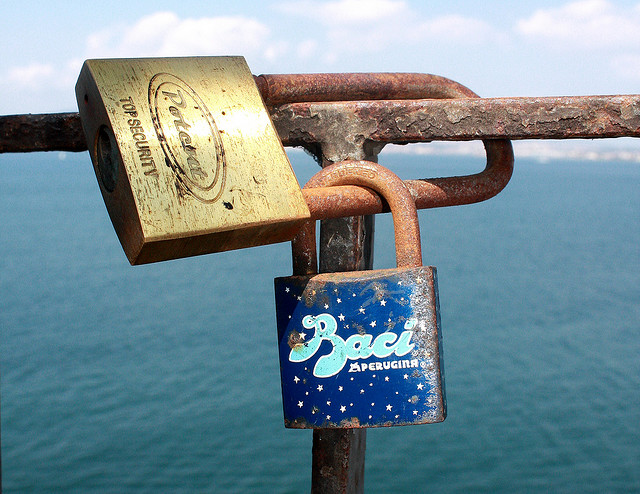
It is a custom in Italy for lovers to write or carve their initials onto padlocks, lock them together and cast the keys into the water ensuring that their love will last forever…

As you enter the Amalfi Coast locks like these can be found along the rail overlooking the Tyrrhenian Sea.  Further down the road rising high up into the cliffs are the small but dramatic looking villages of Positano, RavelloPraiano, and Amalfi.

By far my favorite spot in the world is the coastal village of Amalfi. I love the view from the  Cathedral di Sant’Andrea; the church  that overlooks the main square  filled with cafes, shops, and people. Many Limoncello shops line the cobblestone streets where you can stop in for a shot or a bottle of this locally-made fresh lemon liquor.

In the evening its fun to walk on the path along the water and have a gelato!

Check out the rest of my photos from Amalfi at:

http://www.flickr.com/photos/chrissy575/sets/72157622205347117/

Pateis de Belem; an Old World Pastry Shop

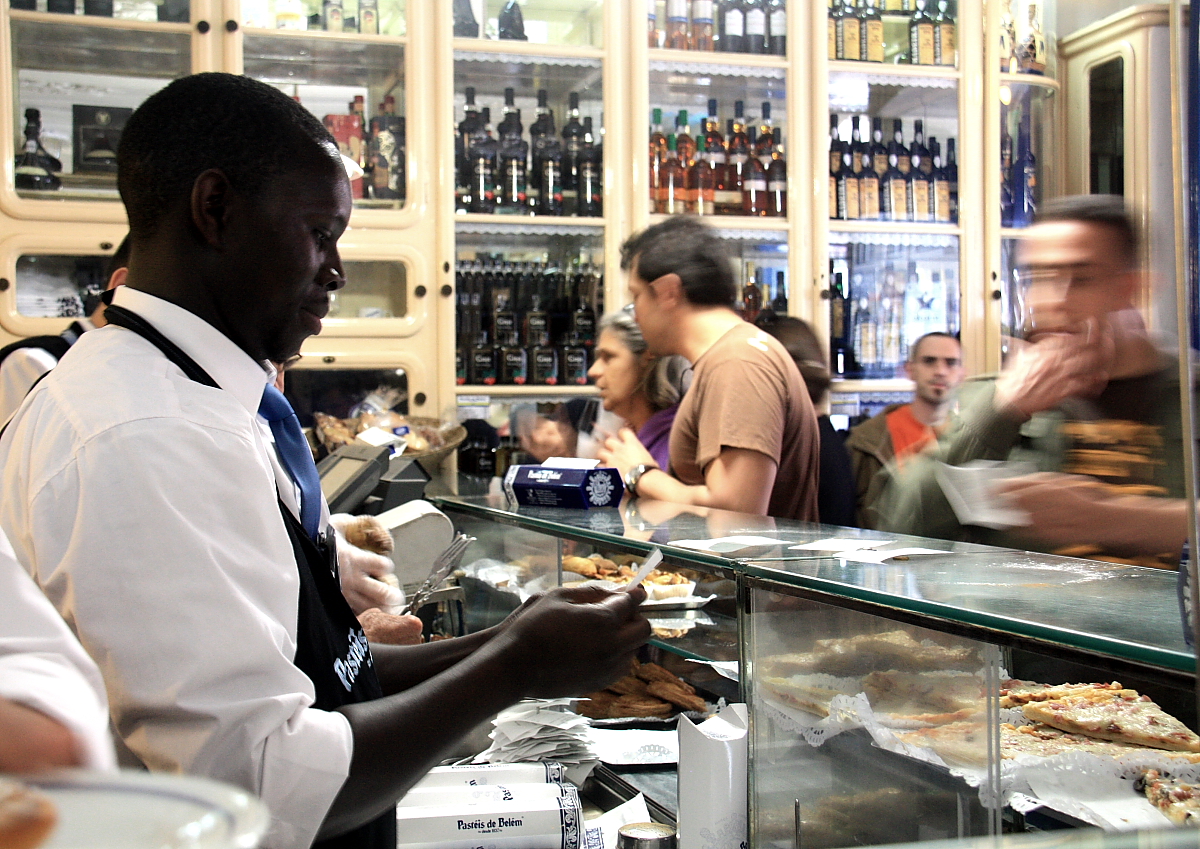
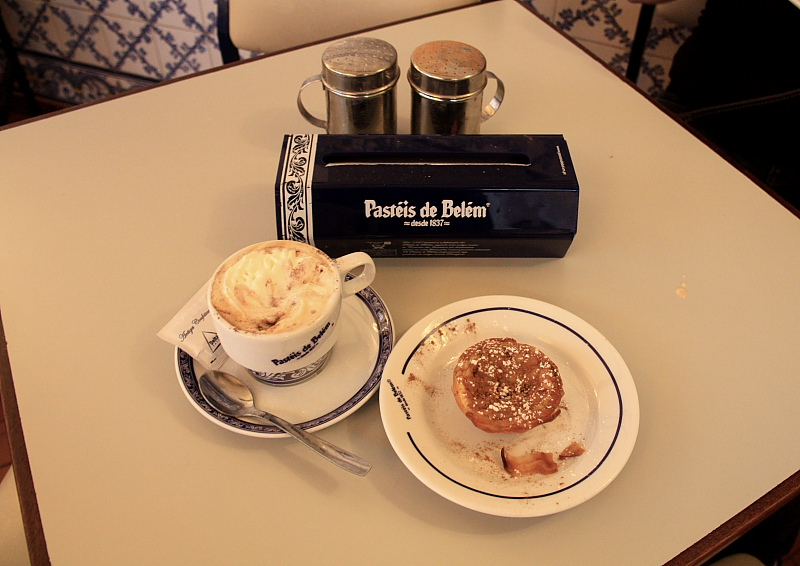
Visiting Lisbon? Make sure to pick up some creamy custard tarts at Pateis de Belem. This old-world pastry shop has been serving up creamy custard tarts using their same original recipe since 1837.  Over 10,000 of these delicious tarts are served daily to an endless  line of both visiting and local customers. Even though this place gets packed, the line moves fairly quickly and there is plenty of seating in the rear of the cafe for guests

With so many delicious desserts to choose from  it’s hard to decide what to order. My suggestion-at least 3 creamy tarts and a café con leche. Their seasonal specialties such as such as Belem Marmalade  and Pumpkin Jam make  great souvenirs to take home.  Stop by the pastry viewing area to get an idea how many tarts are pumped out of their kitchen per hour. Literally thousands of  these traditional pastries are made daily on site.

Pateis de Belem is located in Lisbon’s portside district called Belem. The shop is located on Rue de Belem  just 20 minutes by bus or tram  from the city center.  

The store in open late every season to accomodate the hordes of hungry visitors. Winter hours are Monday through Sunday 8:00am to 11:00pm and Summer Monday through Sunday 8:00am to 12:00pm.  Definitely worth the trip!

 Don’t forget to get some to go…

Read the full story about Belem at:

Belem: Magellan was Here!

“Setting out from Marques de Pompal square, bus 727 winds down old cobblestone streets through Lisbon’s historic Santos District. Flying by pale blue, pink and tan stone buildings decorated with colorful ceramic tiles and wrought iron windows until twenty minutes later it reaches the historic district of Belem. Set along the scenic Tagus River, Belem houses a mix of various styles of architecture, some of the most historic and contemporary buildings in Lisbon can be seen alongside each other.
Not sure if Magellan actually frequented the area but Belem is definitely worth checking out!
Pateis de Belem

Pateis de Belem

 First stop should be to the famous Pasteis de Belem. Opened in 1837, this old world pastry shop dishes out a staggering 10,000 creamy custard tarts a day. This little shop is always packed with locals and tourists, but despite the crowds there is enough seating for patrons and the lines move quickly. Order at least two or three of these traditional pastries with a creamy café con leche (espresso with milk). Before you leave visit the kitchen production viewing area to see trays upon trays of the creamy custards being freshly made on site.

Next visit the intricately designed 16th-century building Monasterio de los Jeronimos, here the great discover Vasco da Gama and his crew spent their last night before setting out on his famous voyage to India. The building was actually redesigned from an older monastery but on the same site. The Jeronimos Monastery exemplifies Manueline architecture; a unique style of architecture prevalent in Lisbon during its maritime years. This style of architecture is characterized by intricately carved details coupled with an unusual maritime theme. Portugal was once a great leader in world discovery with many famous explorers setting out from its historic ports.

Monument to the Discoveries and the Belem Tower

Just across the street is the famous Monument to the Discoveries or “Monumento a los Descubrimientos”. This towering monument built in 1960 was designed to commemorate the 500th anniversary of the death of Prince Henry the Navigator. Towering over the Tagus River this intricately carved structure displays many historical figures important in the history of world discovery, including Vasco da Gama, King Manuel, Magellan and many other Portuguese explorers . Located inside is a multimedia presentation outlining the major highlights of the world discovery period of Lisbon’s history. In the distance, a great view of the modern architecture; the 25th of April Bridge as well as the famous statue of Cristo-Rei or Christ with his outstretched arms welcoming seafarers back home to Lisbon’s ports.

Monument to the Discoveries

Monument to the Discoveries

Further down is the massive limestone Belem Tower. This 16th-century tower was designed by Francisco de Arruda originally as a fortress but over the years it has gone through various stages of usage. It has been used as a political prison, a customs house, and now a tourist destination. This building was made a UNESCO world heritage site because it exemplifies Manueline architecture but with Moorish influences and it represents an important piece of history in terms of the age of world discovery.

Museums in Lisbon Portugal

For such a small area, Belem houses a good number of museums to visit. In particular I enjoyed the Cultural de Belem; one of the biggest cultural centers in Europe. Onsite is the Berardo Museum which showcases an impressive collection of Modern and Contemporary art. The museum typically displays over 225 temporary and permanent exhibits from a number of cutting-edge international and local artists. A visit to this Contemporary Art museum is worth the trip to Belem alone. One of the museums recent exhibitions was from French-born cinematographer and visual artist Pierre Coulibeauf. His installation; “Into the Labyrinth” is a series of photographs and films that sets art into motion. Another visually stunning installation is OSGEMEOS; one name for two Brazilian born twin brothers who have created a fantasy collection of colorful instruments, murals, doors and houses set upon the walls. Children and adults will love this fun colorful interactive installation. The museum has an outdoor cafe offering a panoramic view of both Belem and the Tagus River.

Contemporary Art In Belem

Contemporary Art In Belem

To learn more about the leading role Portugal played in world discovery visit the Maritime Museum, this museum houses an extensive collection of permanent and temporary exhibits. Other notable museums within walking distance are the Museum of Archeology, and the Electric museum.

Restaurants in Lisbon Portugal

After viewing the sites, there are a number of restaurants and cafes to have lunch at before heading back to Lisbon’s city center. For a quick lunch stop at Pão Pão, Queijo Queijo on Rue de Belem for a delicious falafel pita topped with freshly made hummus or try their specialty shawarma plate paired with a pitcher of homemade sangria. At this fast-paced restaurant it’s advised to decide what to order from the menu board posted out in front before stepping into the quickly moving line as both patrons and employees don’t waste time on the indecisive. Although not traditional Portuguese cuisine, Pao Pao attracts a steady stream of locals and tourists with its delicious specialties served at reasonable prices.

After a day of discovery in Belem hop on Tram 15 for a fun ride back to the city center. This little portside neighborhood is guaranteed to charm with its panoramic views, maritime monuments, authentic architecture and contemporary flair.

Cruise Through the Floating Village of Chong Kneas

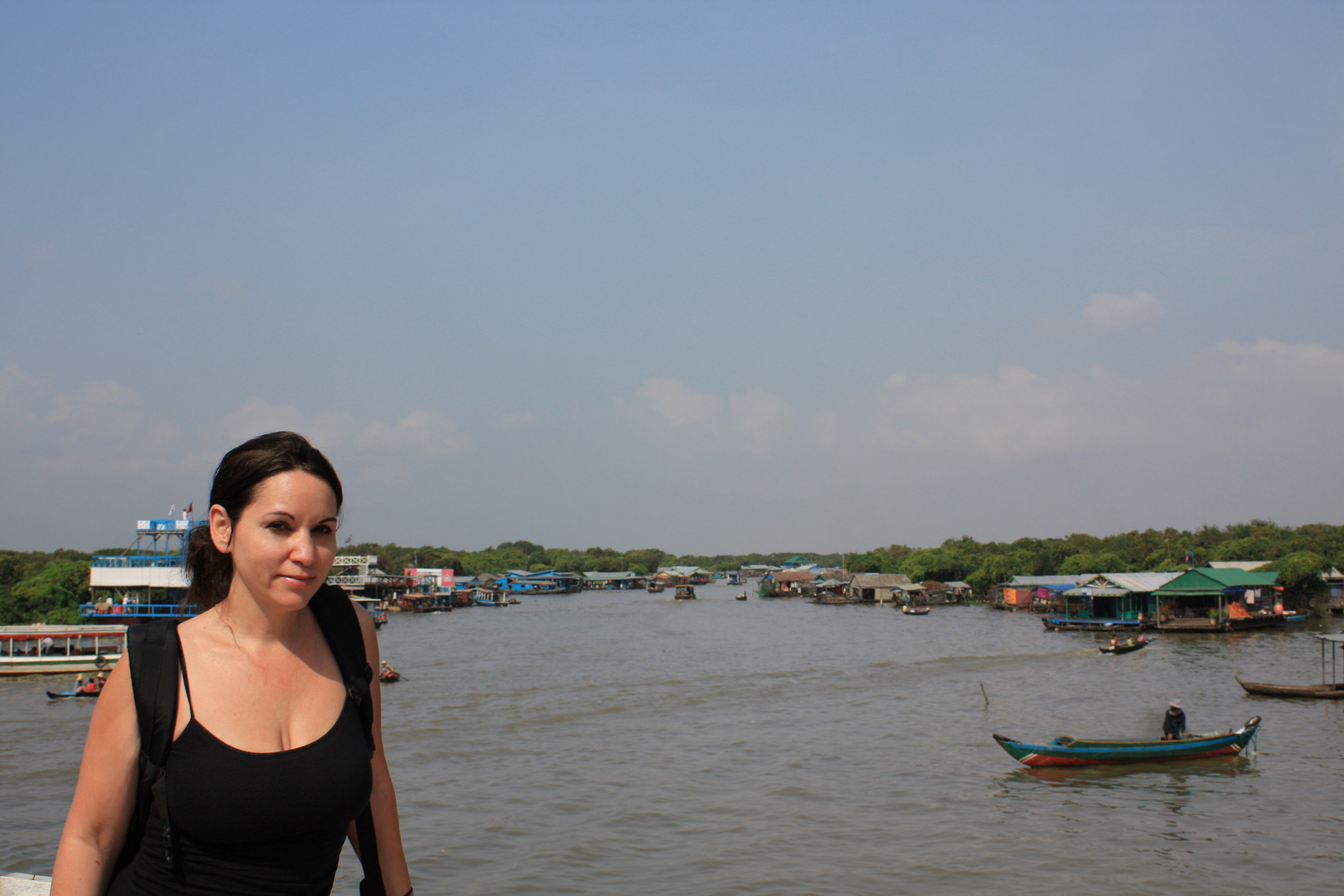
“Every visitor to Siem Reap Cambodia knows the star attraction is Angkor Wat. But after a few days of hiking through the jungle ruins you might need a break!  Just 30 minutes outside of the city is the floating village of Chong Kneas. Brightly colored house boats bob up and down on the choppy waters, small boats buzz back and forth carrying kids to their watery school, there is even a giant floating basketball court. With just a short 3o minute trip to the village you too can experience this floating water world that many Vietnamese and Cambodians call home.”

Floating Village

Floating Houseboats!


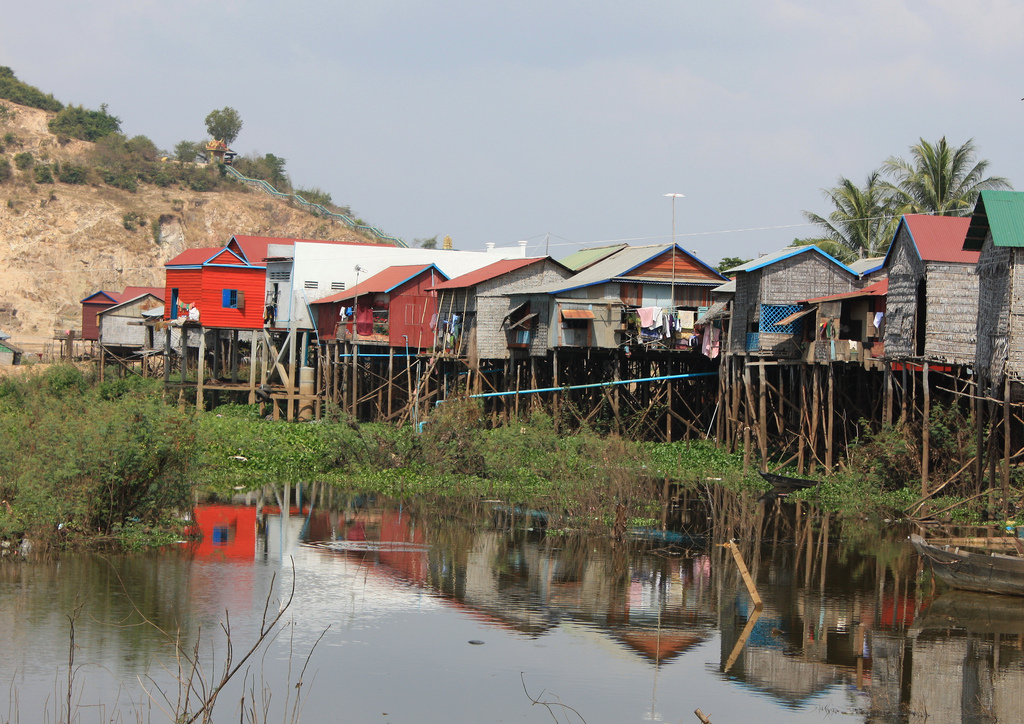
A visit to the village of Chong Kneas is a unique experience not to be missed. Along the way visitors will feel as though they have been transported to another world; farmers with oxen harvest the lush green rice paddy fields that dot the countryside and brightly colored stilt houses rise up from the farm land like rural skyscrapers.
This is not a tourist attraction, this is a real village that many Vietnamese and Cambodians call home. Unlike the average community we envision in the states though the residents live in the brightly colored houseboats that bob up and down on the choppy water and worship at the local floating catholic church or mosque. During the week children are sent to school by boat rather than bus to their house-boat school. After their lessons, the children get to play at the large floating basketball court, surrounded by netting so the ball doesn’t fall out into the water. All day motorboats buzz up and down the waterways carrying passengers to conduct their daily duties. Don’t be surprised if a rickety wooden boat flies up selling coconuts and other beverages to tourists.

Floating Basketball Court

Floating Basketball Court

The viewing deck from the floating restaurant offers a great panoramic view of the marine city from above. In the village is the Gecko Environment Center, where you  can learn about the conservation of the Tonle Sap River. The floating center offers information on the ecology of the waterways and the fishing industry and other facts about the village. Really the main attraction of Chong Kneas is the 1000 plus brightly colored houseboats that line the waterway. This fairly large community consists of a network of 8 villages that lie along the Tonle Sap water way, migrating with the rise and fall of the water levels. About 6,000 residents live in the villages, mainly of Khmer and Vietnamese origin.

Although It sounds charming, life on these waterways is hard. Inhabitants live mainly in wooden house boats, some of the more poor live in makeshift stilt houses you will see out on the shore. Don’t expect too much in terms of tourist attractions, this is a working village where people live.  One criticism of visiting the village is that the residents don’t profit too much from tourism, and there is a level of extreme poverty.  I did have mixed feelings about my visit.

Viewing Deck

Viewing Deck


Chong Kneas is about a 30 minute drive outside of the city. The paved road to the village passes through a number of rural villages made up of wooden shacks and brightly colored stilt houses. It is easily accessible by car, tuk-tuk, or arranged tour. It’s best to leave early for a visit as it gets extremely hot in the afternoon. There are a number of options available for getting to the floating village. Tuk-tuks or taxis are readily available to take visitors from Siem Reap to the boat docks. From there it is necessary to make arrangements at the marina for the two hour round trip boat ride. The price to hire a boat is usually $15.00-$20.00 USD.

Stilt Houses Cambodia

Stilt Houses Cambodia

Another option is to arrange for a private tour. As this is a half day excursion, it would be practical to combine this trip with another half day tour. For $75.00 per person, Peace Of Angkor Tours offers an air conditioned car with driver and a guide, private boat, and a half day trip to one of the outer areas of the Angkor Wat Complex. Check with them directly for current prices. Most hotels in Siem Reap are able to make arrangements for a tour as well.

A visit to Chong Kneas is an exciting opportunity to experience the culture and countryside of Cambodia. The colorful houseboats and floating village alone are worth the trip but getting out of Siem Reap and seeing the countryside and small villages is a unique experience in and of itself.


How to Make an Elephant in Ten Easy Steps…

“The city of Siem Reap, Cambodia is known for the amazing temples of Angkor Wat, but visitors will find this bustling city is alive with many bars, restaurants and unique shops. One shop in particular stands out among the others; Artisans d’ Angkor, a sustainable network of shops committed to providing fair trade for locally produced art. The profits get invested back into the ten workshops that train and then employ nearly 1000 emerging Cambodian artists. “

Artisans d' Angkor

Artisans d’ Angkor

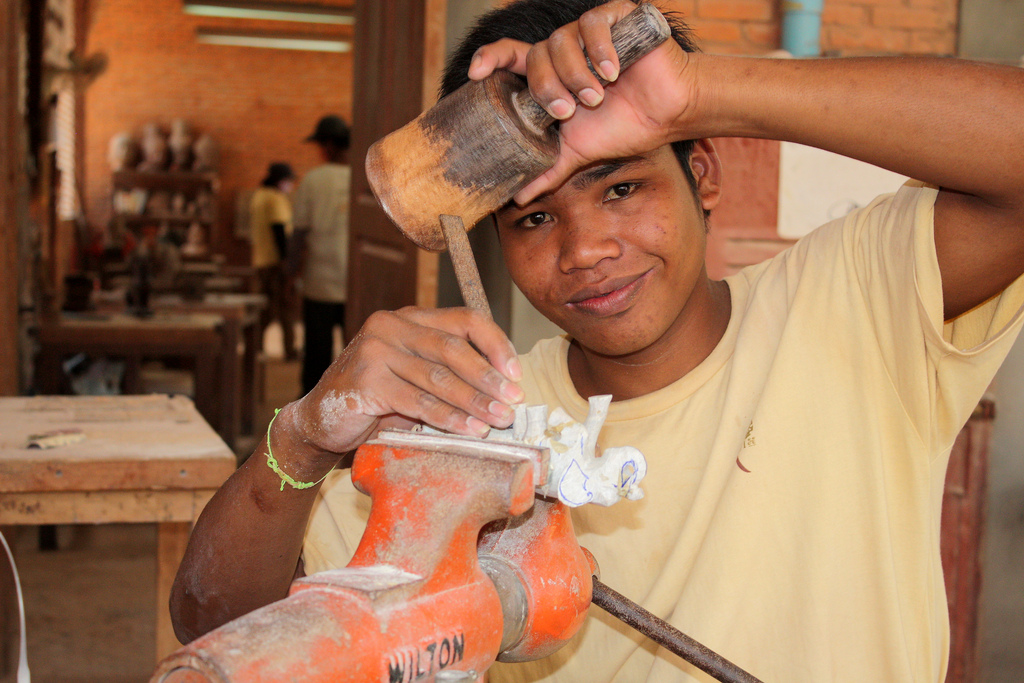
A visit to any one of the local markets; like the night market, will provide shoppers with a wide range of souvenirs and traditional crafts to take home. But for high-quality locally produced items, Artisans d’ Angkor is the place to shop. Artisans d’ Angkor is a network of self-sustaining stores and facilities that are committed to providing fair trade, locally produced Cambodian art. The Chantiers-Ecoles facility, located in the heart of Siem Reap, offers free informative daily tours in multiple languages. Visitors can watch local artisans handcraft many fine products such as silk paintings, wood and stone carvings and metal plated art, then after the tour, purchase a number of  these items from the gift shop.
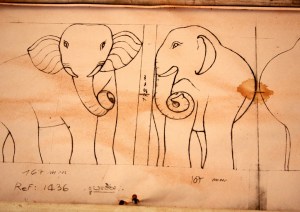
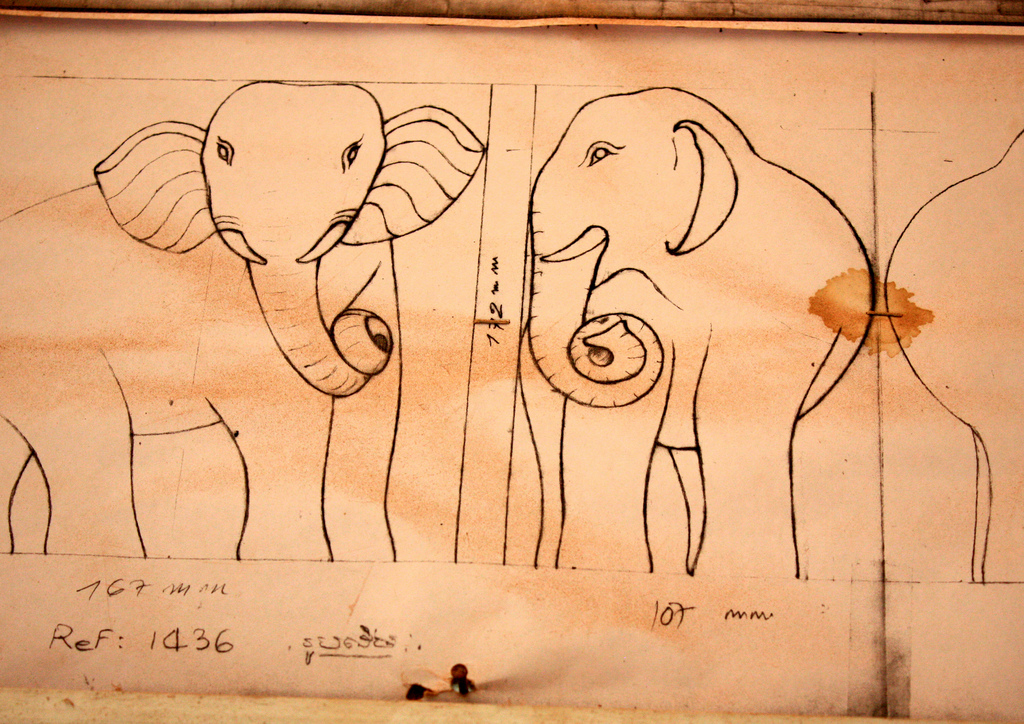
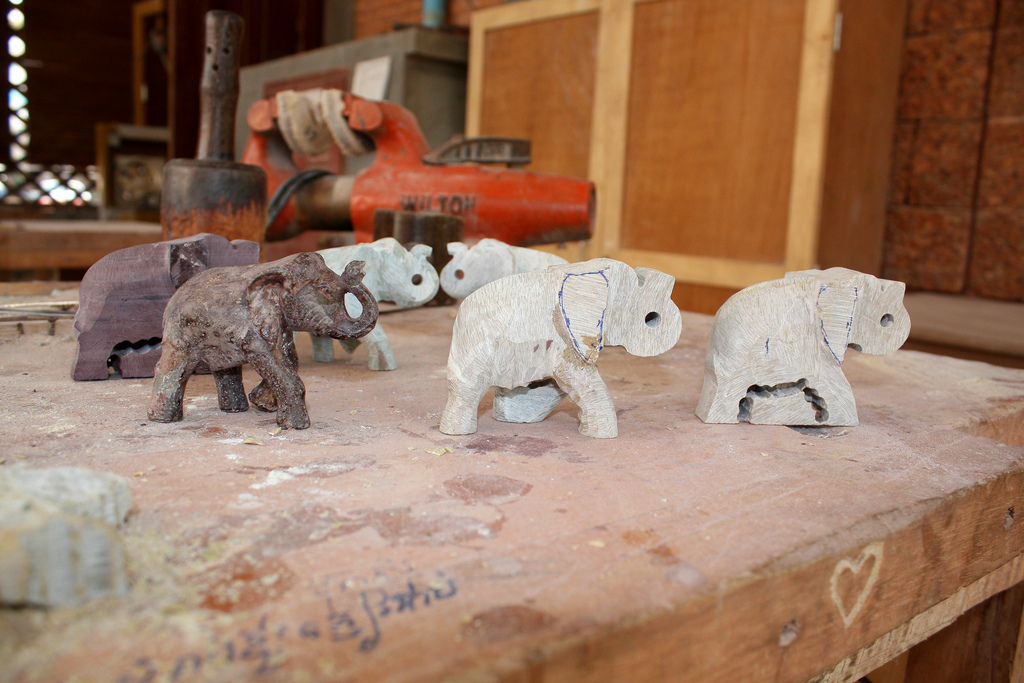
How to Make an Elephant!

How to Make an Elephant!!

 The artists  specialize in intricately designed wood and stone carvings, silver-plated objects, silk painting, scarves, and hand lacquered art. Intricate stone carvings similar to those found at the Angkor Wat temples are wonderful souvenirs to take or ship home. The traditional art of stone carving in Cambodia is a skill that pre-dates the Angkor Wat era. Using the same techniques and materials as their ancestors, these skilled artisans produce high quality sandstone sculptures and statues depicting ancient deities and kings.
Artisans d’ Angkor also specializes in hand-crafted scarves and shawls made from 100% locally produced fine silk. These beautiful scarves and shawls come in a variety of hand-dyed natural colors and can be purchased at any one of their shops. Many other items such as luxury hand-woven and hand-dyed pillow cases, hand bags and wallets are also available. For those interested in the production of silk and silk crafts, there is an opportunity to visit the Angkor Silk Farm. The ancient art of silk weaving is a highly skilled process that requires much time and practice. During a tour of the silk farm, visitors can learn about the production of local silk products from start to finish. Watch how silk is collected from the cocoon of the Mulberry Silkworm and then made into silk products using the traditional techniques of silk weaving and hand dying.

Elephants!

Souvenir Shopping and Economy

Although bargaining at the local markets is a common practice for shoppers, not only in Cambodia but around the world, it is not appropriate to do so at Artisans d’ Angkor. This is not a typical souvenir shop; this facility serves a cultural as well as an economic purpose. Artisans d’ Angkor offers a business model that promotes sustainability and fair trade for the artists they employ. On a cultural level, they are preserving and promoting the traditional heritage of the Khmer empire. Reviving the traditional skills and crafts that were lost during years of political instability are a critical piece to a more unified Cambodia. On a larger scale they are providing economic support to Cambodia’s lagging job market by creating new jobs.
Artisans d’ Angkor is actually a network of ten workshops that trains and employs nearly 1000 emerging Cambodian artists. They recruit about 60 new apprentices per year providing not only a job, but a sustainable career. These organized workshops provide young people with a skilled trade and educational opportunity that would not be otherwise present in Cambodia.

Although there has been a recent boom in Cambodian’s tourist industry, it remains one of the poorest countries in South East Asia. Years of war and political turmoil have caused a deeply entrenched economic and cultural instability that has been hard for the country to overcome. The government lacks the necessary resources to provide adequate jobs, education, medical care and other basic necessities to their own people.
Shopping at Artisans d’ Angkor is one small way shoppers can use their tourist dollars for a good cause. This partnership provides shoppers with high-quality, locally produced products and the artist is guaranteed a fair wage for their labor while growing a sustainable career.